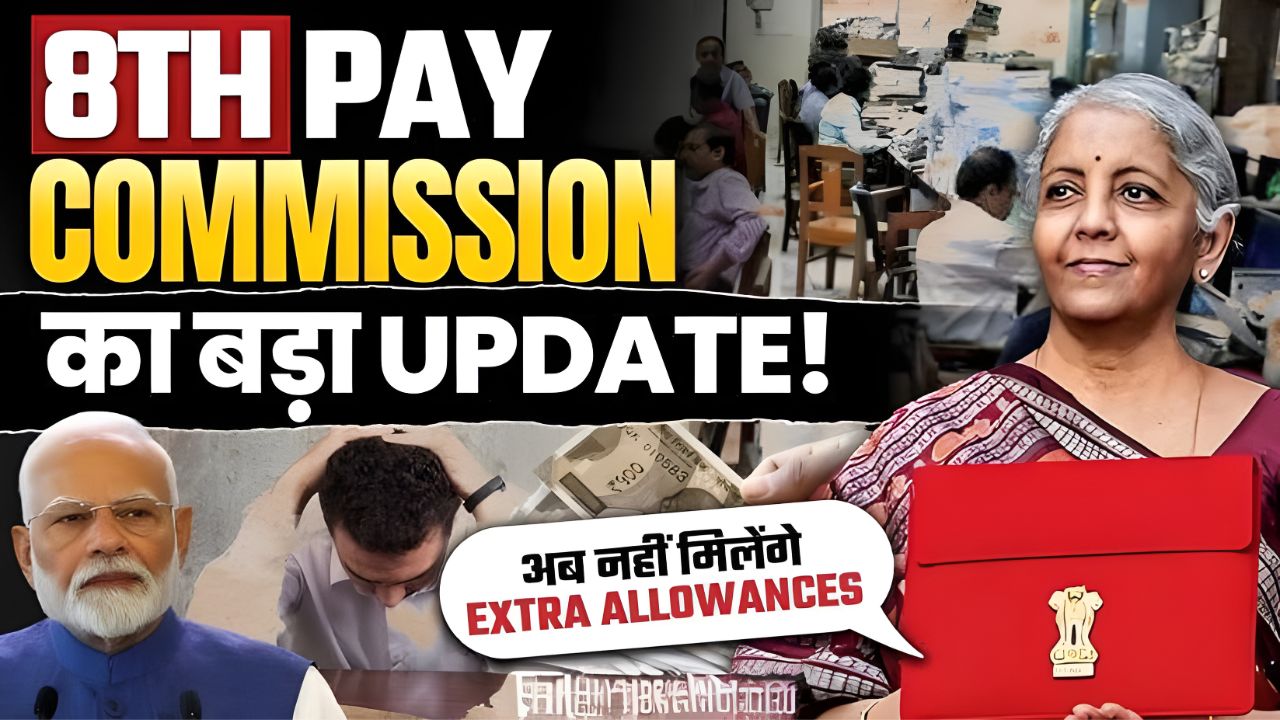
The 8th Pay Commission has become one of the most anticipated developments among central government employees across India. As the cost of living continues to rise, employees are looking forward to salary revisions, better allowances, and enhanced retirement benefits. The government is expected to make important announcements soon, especially as discussions around employee welfare intensify ahead of the upcoming fiscal year.
Formation and Purpose of the 8th Pay Commission
The Pay Commission is established every 10 years to review and recommend changes in the salary, pension, and allowances of government employees. The 8th Pay Commission aims to bring fair compensation in line with inflation and economic growth. It will assess current pay structures, cost of living adjustments, and the impact of earlier pay revisions to ensure a balanced and sustainable increase.
Expected Implementation Timeline
Although the government has not officially confirmed the implementation date, experts predict that the 8th Pay Commission could be announced by mid-2026, with recommendations likely to take effect from January 2027.

However, ongoing talks suggest that preliminary planning may begin in 2025. If approved earlier, employees could receive an interim hike or arrears, similar to what occurred during the 7th Pay Commission transition.
Likely Salary and Allowance Revisions
Under the 8th Pay Commission, employees can expect a substantial increase in basic pay. The Fitment Factor, which determines salary revisions, may be raised from 2.57 (under the 7th Commission) to 3.68 or higher.

This means that employees earning ₹30,000 per month currently could see their basic pay rise to around ₹45,000. Additionally, adjustments in Dearness Allowance (DA), House Rent Allowance (HRA), and Transport Allowance are also expected to align with inflation trends.
Impact on Pensioners and Retirees
The 8th Pay Commission will not only benefit active employees but also retirees and pensioners. Revised pension structures and better Dearness Relief (DR) rates will improve the post-retirement income of millions of former employees. Many pensioners are hopeful that the new commission will introduce a fair formula to protect their purchasing power against inflation.

Economic Implications of the 8th Pay Commission
While the pay hike will boost disposable income for government employees, it will also increase government expenditure. Experts believe this could stimulate consumer spending and economic growth, particularly in urban sectors. However, fiscal management will be crucial to balance the increased salary outflow with national financial stability.
Conclusion: A Step Toward Better Employee Welfare
The 8th Pay Commission update signals a positive move for millions of central government employees and pensioners. With expectations of higher salaries, better allowances, and improved retirement benefits, it promises to enhance financial security and motivation among the workforce. As discussions progress, employees are eagerly waiting for official confirmation and the beginning of a new era of revised pay structures.